

Shoulder Replacement
Guide price only. Final cost is confirmed after assessment.
Shoulder replacement surgery removes the damaged joint surfaces and replaces them with prosthetic components designed to restore movement and relieve pain. London Cartilage Clinic offers both anatomical and reverse shoulder replacement, selected based on the condition of your rotator cuff, the pattern of arthritis, and your functional goals. As with all our joint replacement procedures, shoulder replacement is offered only after biological and joint-preserving alternatives have been fully explored.
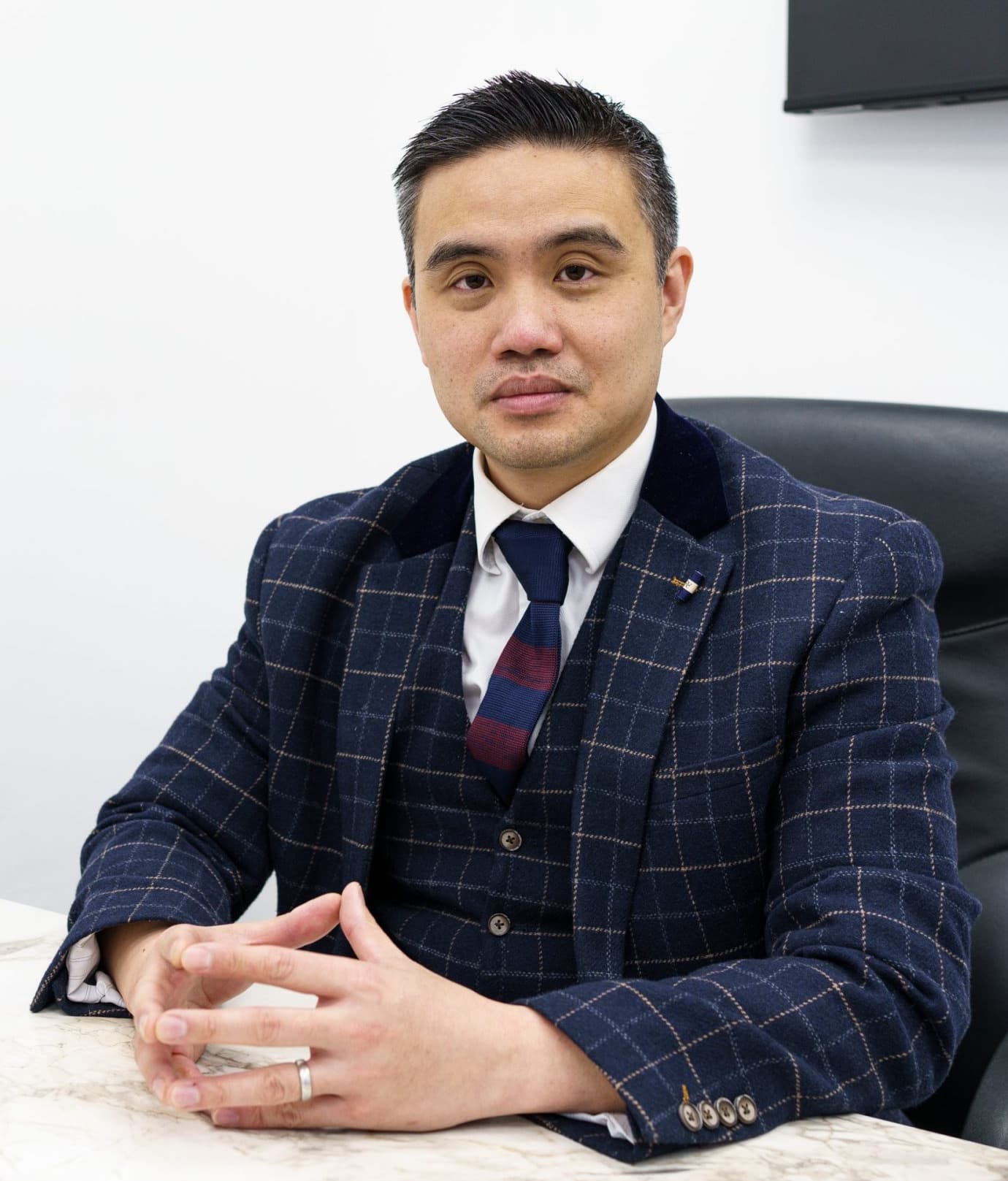 Reviewed byProf Paul Lee MBBch, FRCS (Tr & Orth), PhDLast reviewed 1 May 2026
Anatomical vs reverse
selecting the right implant
The type of shoulder replacement depends on the condition of the rotator cuff and the pattern of joint damage. Getting this decision right is critical for a good outcome.
- Anatomical replacement: used when the rotator cuff is intact. Reproduces the natural ball-and-socket mechanics.
- Reverse replacement: used when the cuff is irreparable. Switches the ball and socket so the deltoid muscle drives arm movement.
Choosing between anatomical and reverse replacement requires specialist assessment of rotator cuff integrity, bone stock, and your activity demands. Our shoulder surgeons make this assessment using advanced imaging and clinical examination.
Recovery and
expected outcomes
Shoulder replacement recovery is gradual and structured. Early passive motion protects the repair while allowing the soft tissues to heal around the new joint.
- Sling for four to six weeks with supervised passive motion from week one.
- Active movement and light strengthening from six to twelve weeks.
- Meaningful functional improvement typically felt by three to six months.
The majority of patients report substantial pain relief and improved ability to use their arm for daily activities. The rehabilitation pathway is tailored to your replacement type and personal goals.

You may have more options than you think
Most patients have more treatment options than they have been told
At London Cartilage Clinic we follow a structured clinical framework across four areas of treatment. Before recommending a single procedure, we assess which combination of approaches gives you the best outcome.
Preserve
Protect what you have. Slow degeneration and manage symptoms.
Repair
Fix specific damage. Torn tissue, unstable joints, structural problems.
Regenerate
Rebuild lost tissue. Biological treatments that stimulate new growth.
Replace
When other options are exhausted. Joint replacement as a last resort.
Explore the full range of treatments available for your joint. Each hub page shows every option we offer, organised by clinical approach.
Frequently Asked Questions
What is the difference between anatomical and reverse shoulder replacement?
Anatomical replacement mirrors the natural shoulder anatomy and relies on a functioning rotator cuff. Reverse replacement switches the ball and socket positions, allowing the deltoid muscle to power the arm instead. Reverse replacement is used when the rotator cuff is irreparably torn or severely deficient.
How long does a shoulder replacement last?
Modern shoulder replacements are expected to last 15 to 20 years. Implant longevity depends on activity level, implant type, and surgical precision. Advances in implant design continue to extend the expected lifespan.
What is the recovery like after shoulder replacement?
Recovery involves wearing a sling for four to six weeks. Gentle passive movement begins early under physiotherapy guidance. Active movement and progressive strengthening follow, with most patients achieving meaningful functional improvement by three to six months. Full recovery may take up to a year.
Can I return to sport after shoulder replacement?
Many patients return to recreational activities including swimming, golf, and gentle racquet sports. Overhead throwing and contact sports are generally not recommended as they place excessive stress on the implant. Your surgeon will discuss realistic activity goals based on your replacement type.
When is shoulder replacement the right option?
Shoulder replacement is considered when severe arthritis or irreparable rotator cuff damage causes persistent pain and functional limitation that has not responded to non-surgical treatment. At London Cartilage Clinic, we ensure every joint-preserving option is explored first.
Still have more specific concerns?
Free Discovery Call