

Meniscus Regeneration
Guide price only. Final cost is confirmed after assessment.
At London Cartilage Clinic, we are at the forefront of meniscus regeneration, offering state-of-the-art treatments for meniscus injuries - one of the most common injuries that result in functional impairment in the knee.
 Reviewed byProf Paul Lee MBBch, FRCS (Tr & Orth), PhDLast reviewed 1 May 2026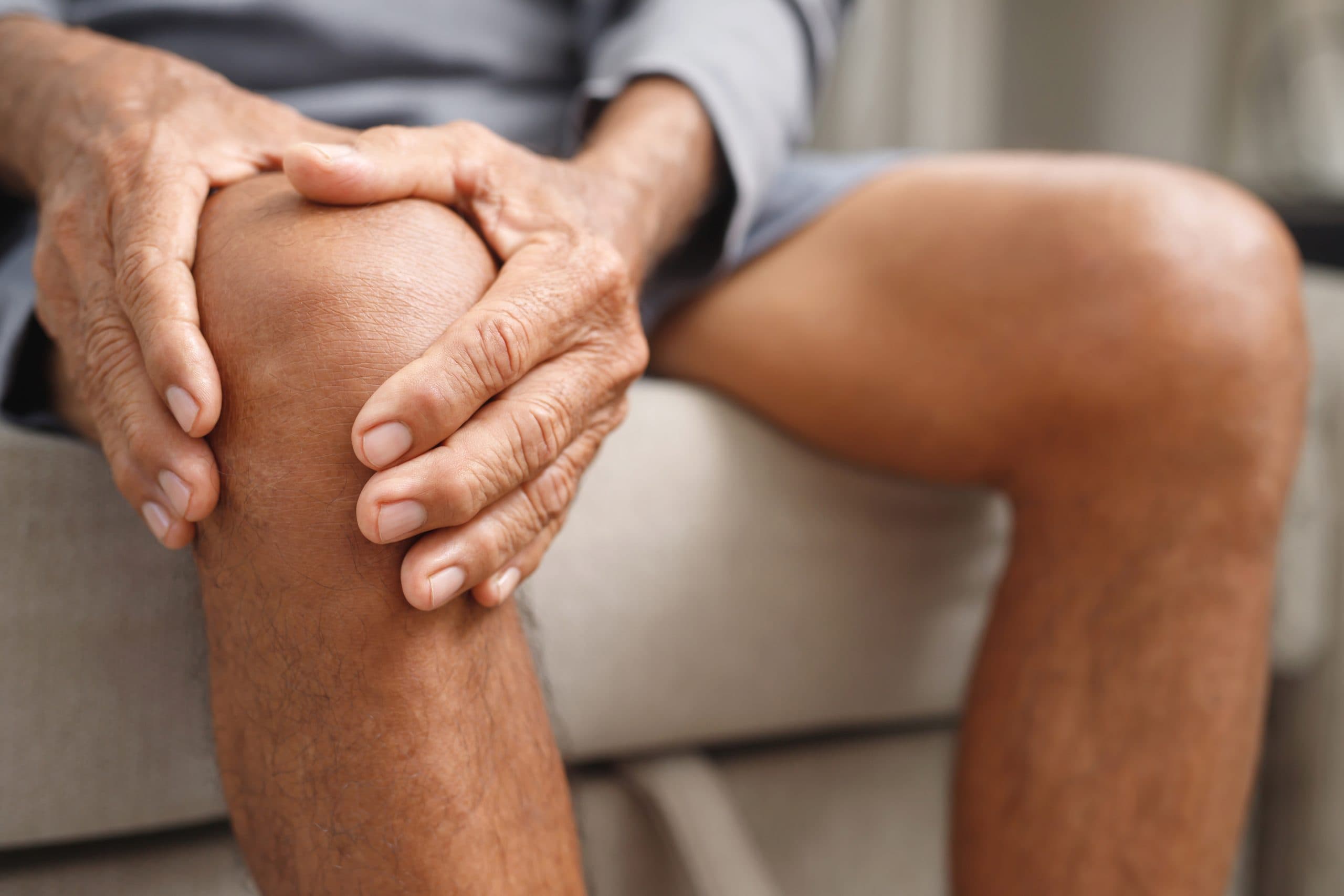
Meniscus injury care
with regenerative options
The meniscus helps absorb impact and stabilise the knee. When it is damaged, everyday movement, exercise, and sport can become painful or unreliable.
Our focus is to preserve meniscal tissue where possible and improve the biological environment for healing, helping you stay active for longer.
- MFAT: adipose-derived cells for anti-inflammatory and restorative support.
- BMAC: concentrated bone marrow cells to assist tissue recovery.
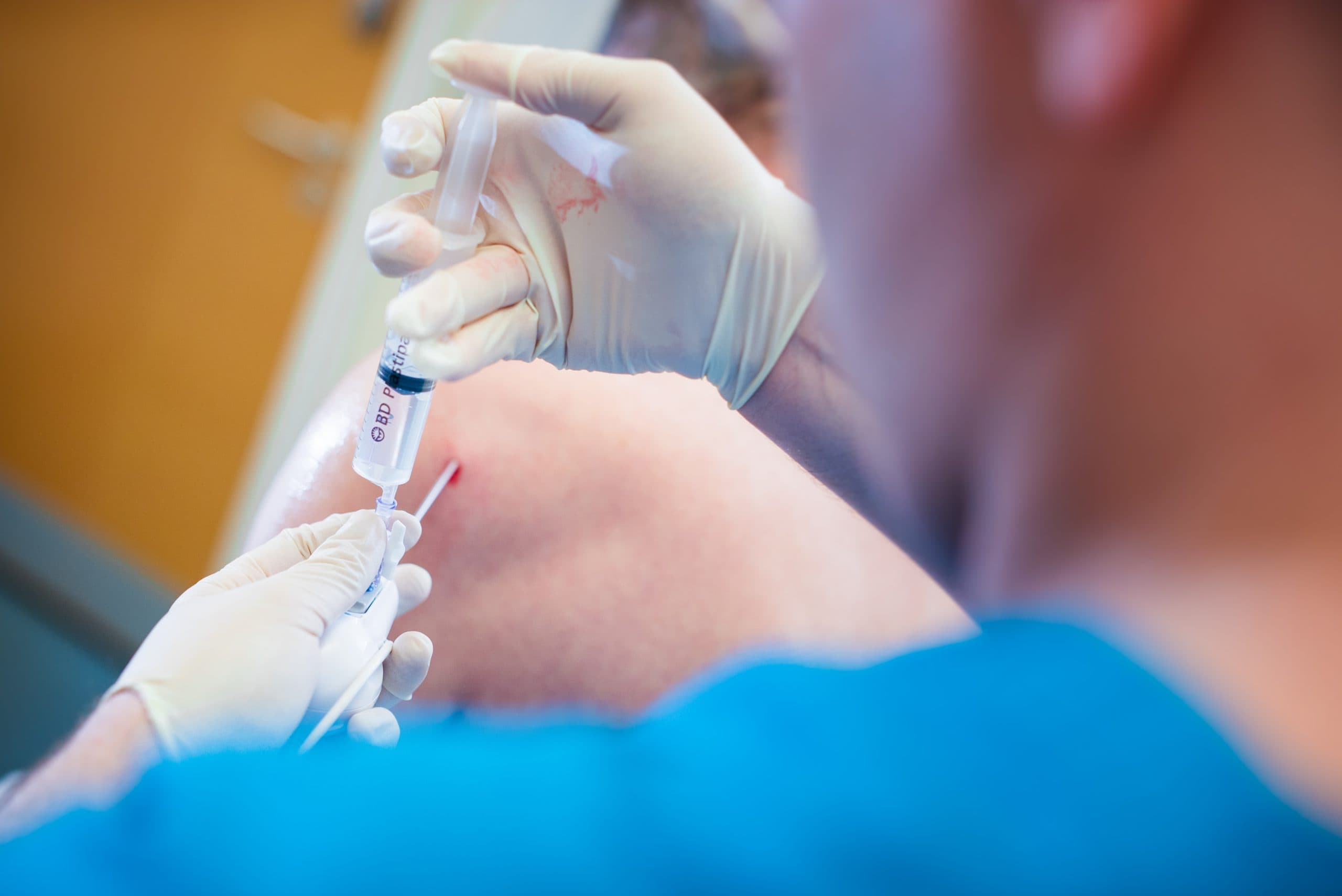
- PRP / PRF: growth-factor-rich blood products to support repair and symptom control.
Diagnosis and treatment
planning at London Cartilage Clinic
Common symptoms include pain, swelling, clicking, and loss of confidence in the knee. We combine clinical assessment with MRI to define tear pattern, tissue quality, and joint alignment before recommending treatment.
Your pathway is personalised and may combine rehabilitation, targeted injection therapy, or surgery depending on symptoms, goals, and scan findings.
- Non-operative options for early or lower-grade injuries.
- Regenerative strategies to improve healing potential.
- Surgical repair/reconstruction when structural stability is compromised.
With specialist meniscus expertise, we focus on durable symptom relief and safer return to daily activity and sport.

Frequently Asked Questions
What is meniscus regeneration?
Meniscus regeneration involves using regenerative medicine techniques to heal and reconstruct damaged meniscal tissue.
What treatments are available for meniscus regeneration?
Treatments include MFAT, BMAC, and PRP therapy, among others.
How is a meniscus injury diagnosed?
Diagnosis typically combines specialist clinical examination with MRI. X-rays can help assess bone and joint alignment but do not directly diagnose meniscus tears; arthroscopy may be used in selected cases.
Are there non-surgical options for meniscus regeneration?
Yes, including medications, physiotherapy, and lifestyle changes.
Still have more specific concerns?
Free Discovery Call