
Cartilage Replacement
Guide price only. Final cost is confirmed after assessment.
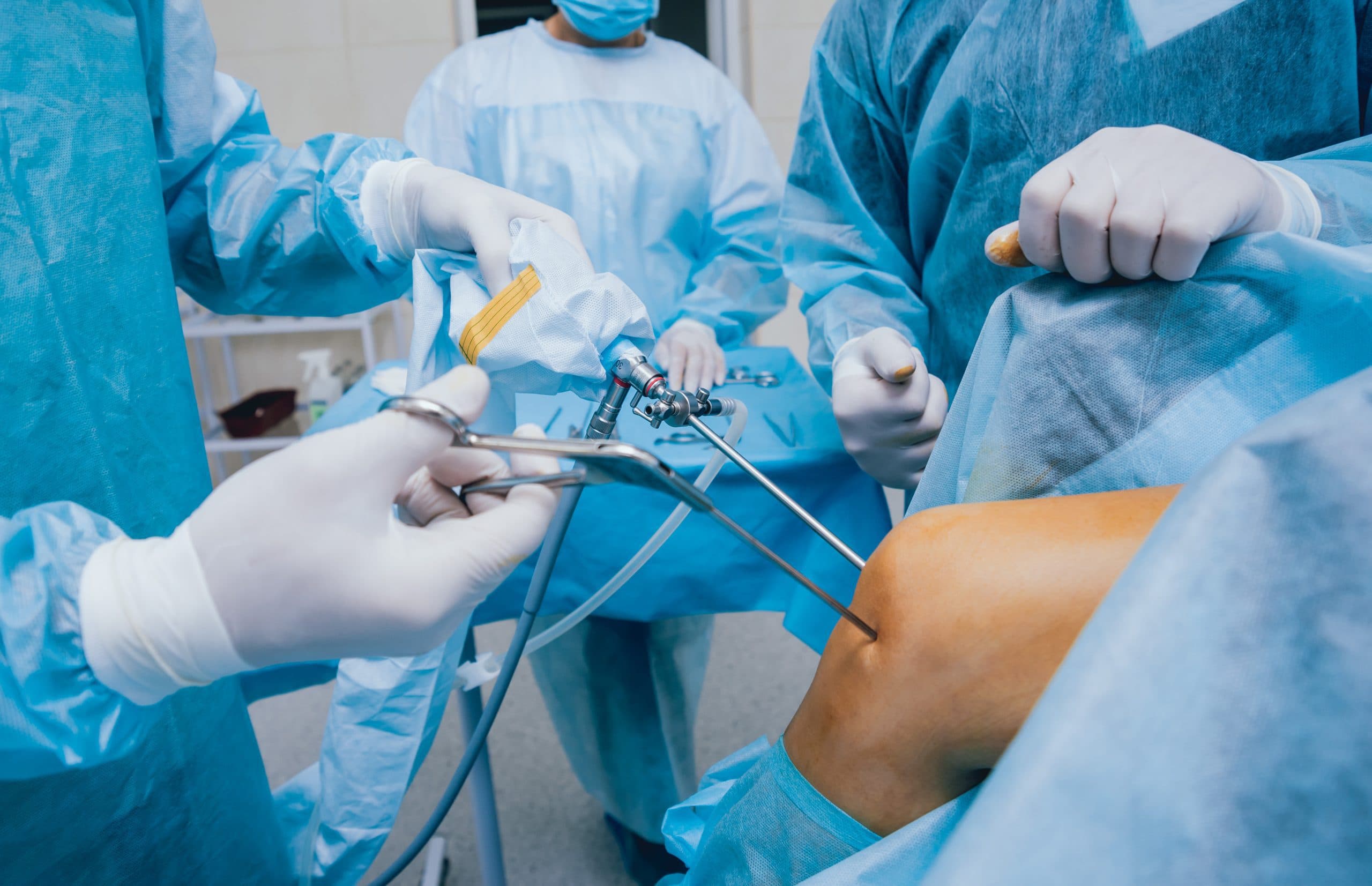
Replacing parts of the joint cartilage that have been damaged due to injury or arthritis. Typically, this surgery is considered in cases where significant weight bearing joints such as the knee or ankle have been impacted. Knee cartilage replacement surgery is carried out under anaesthesia. This involves an arthroscopy procedure to grant access to the affected joint. From here, a specialist will remove and replace the damaged cartilage. The aim of cartilage replacement is to restore regular movement function, protect the joint, and relieve pain.
 Reviewed byProf Paul Lee MBBch, FRCS (Tr & Orth), PhDLast reviewed 1 May 2026
Why might you need
cartilage replacement?
Cartilage is essential for normal joint movement throughout the body. However, after traumatic stress injury or severe ongoing degeneration, cartilage does not have the capacity to repair itself.
This can increase friction between joints because lubrication is reduced. Replacement cartilage may be used to substitute damaged or lost tissue and improve joint problems such as pain, discomfort, loss of movement, and rising osteoarthritis risk.
What are the benefits of
cartilage replacement?
Seeking treatment from London Cartilage Clinic places you in the hands of leading experts in cartilage repair, regeneration, and replacement. We provide a comprehensive consultation and diagnosis so you understand all available options before receiving a tailored recommendation.
If your injury severity warrants replacement, we take the time to ensure all pre-surgical steps are handled properly. You can then choose an appointment that fits your schedule. Our objective is to minimize discomfort while striving for a high surgical success rate.

You may have more options than you think
Most patients have more treatment options than they have been told
At London Cartilage Clinic we follow a structured clinical framework across four areas of treatment. Before recommending a single procedure, we assess which combination of approaches gives you the best outcome.
Preserve
Protect what you have. Slow degeneration and manage symptoms.
Repair
Fix specific damage. Torn tissue, unstable joints, structural problems.
Regenerate
Rebuild lost tissue. Biological treatments that stimulate new growth.
Replace
When other options are exhausted. Joint replacement as a last resort.
Explore the full range of treatments available for your joint. Each hub page shows every option we offer, organised by clinical approach.

Frequently Asked Questions
What happens during knee cartilage replacement?
How do I prepare for cartilage replacement?
What postoperative care is advised following knee cartilage replacement?
Still have more specific concerns?
Free Discovery Call